


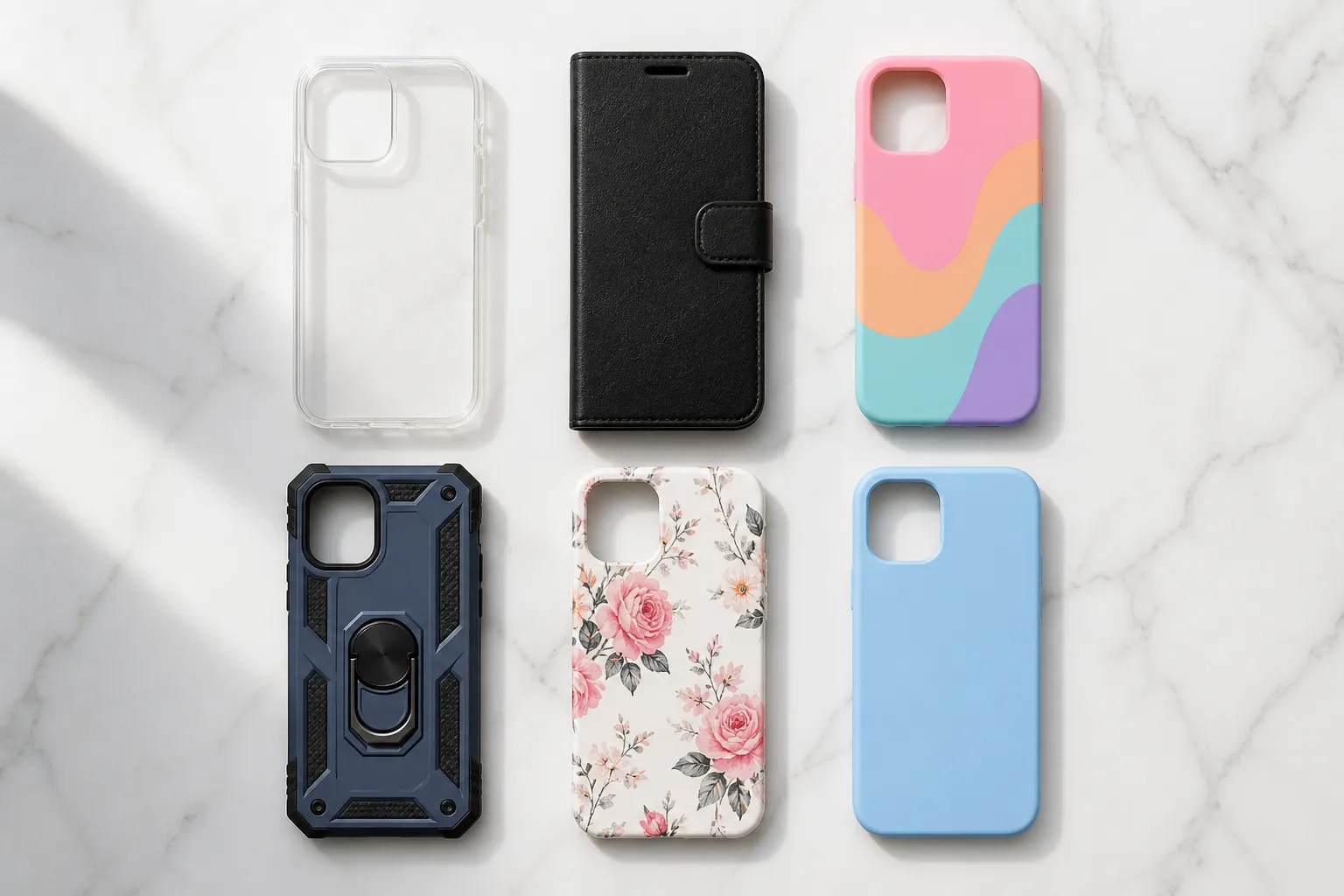
Types of Mobile Back Covers:
Walk into any mobile accessories shop in India — whether it is a small Nehru Place stall or a big retail chain — and you will find one wall entirely dedicated to phone covers. Hundreds of options, dozens of materials, and almost no explanation of what makes each one different. Most people grab whatever looks good and move on. That decision costs them later, either with a cracked screen, a scratched back panel, or a case that turns yellow within two months.
Understanding the different types of mobile back covers before you buy is not overthinking it. It is the difference between a cover that genuinely protects your phone and one that just sits on it. This guide breaks down every major type, how each one performs in real use, and which situations they actually suit.
Why Does the Type of Mobile Back Cover Matter?
A phone cover is not a single product category — it is a family of products made from completely different materials, with different structural designs, and built for different purposes. A clear TPU cover and a hybrid dual-layer case may both fit your Samsung Galaxy S24, but they behave nothing alike when the phone hits a tile floor from table height.
The material determines how much impact energy the case absorbs or transfers to the phone. The design determines how well it protects the corners and edges — which is where most real-world damage happens. And the fit, meaning how precisely the case was moulded for that specific model, determines whether any of it actually works. A loose cover slides around on impact and provides almost no protection at the moment it matters most.
All Types of Mobile Back Covers Explained
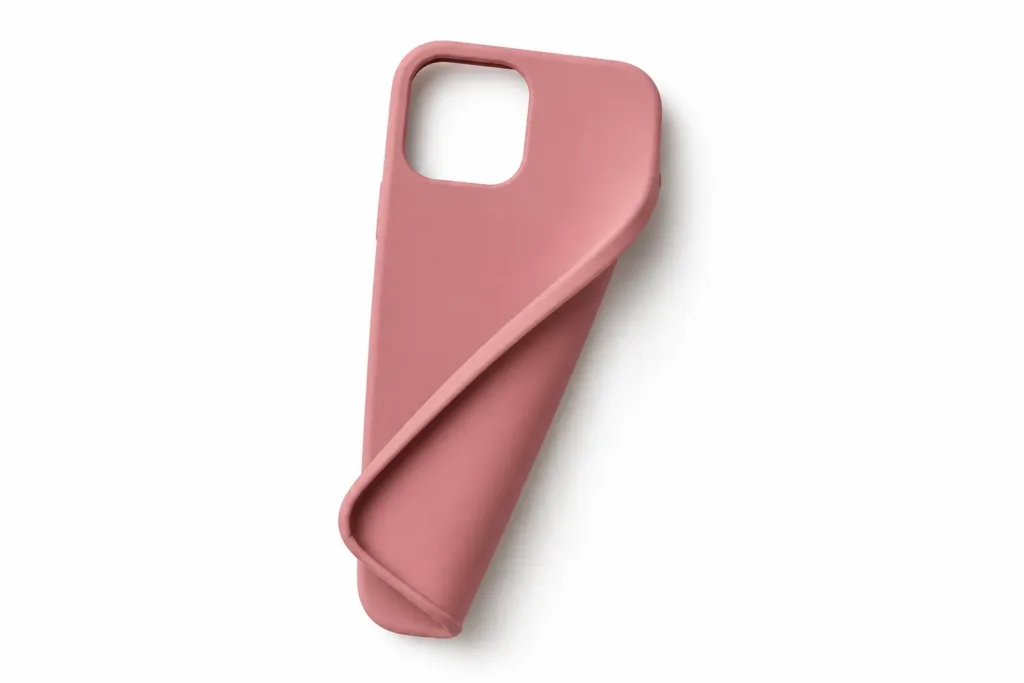
Silicone and TPU Back Covers
Silicone and TPU (thermoplastic polyurethane) are the most widely sold types of mobile back covers in India, and they earn that position because they work well for everyday use. The material is naturally flexible and elastic, which means it compresses slightly on impact and spreads the force across a wider surface area rather than concentrating it at the point of contact. This is particularly useful for edge and corner drops, which account for the majority of screen cracks.
The grip on TPU is genuinely better than hard plastic because the surface has a slight texture and resistance to slipping. For people who use their phones without a second thought — setting it down on slick surfaces, tossing it in a bag — this grip matters more than any other feature. The downsides are real, though. Silicone attracts lint at an almost aggressive rate, and lower-quality TPU yellows within a few months when exposed to sunlight and skin oils. Replacing a TPU cover every six to eight months is normal and expected.
Hard Polycarbonate Back Covers
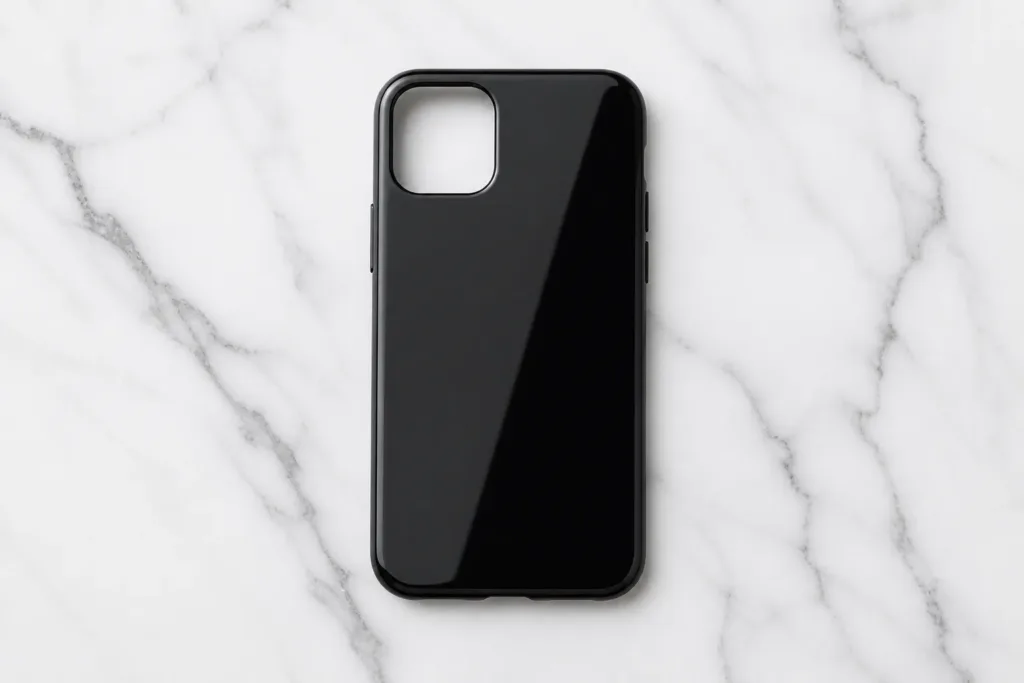
Polycarbonate is the rigid engineering plastic used in everything from car headlights to safety goggles, so its scratch resistance is not surprising. A hard polycarbonate back cover protects the rear panel of your phone from surface scratches, bag abrasion, and the kind of marks that accumulate over months of casual use.
Where polycarbonate falls short is in drop protection. The rigidity that makes it scratch-resistant works against it on impact — a hard case cannot flex to absorb energy, so it transmits the shock more directly to the phone’s body. Corner drops from above a metre are a genuine risk with thin polycarbonate covers. These covers are best suited for people who keep their phones in a dedicated pocket, rarely drop them, and care primarily about keeping the back glass pristine.
Hybrid Dual-Layer Back Covers
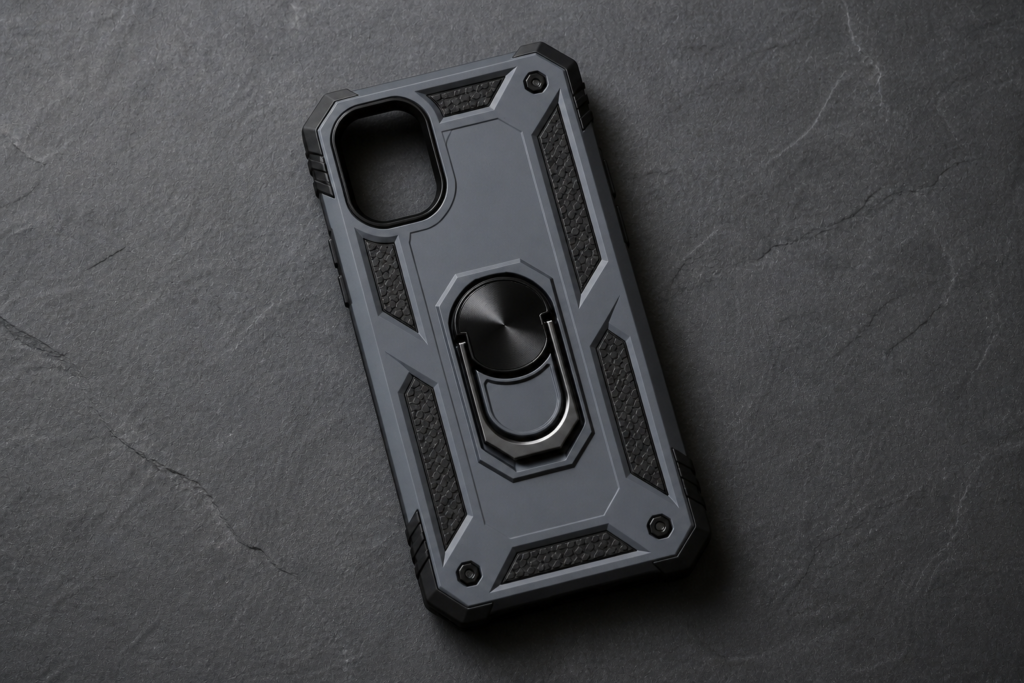
A hybrid cover solves the core problem that forces people to choose between protection and scratch resistance — it uses both materials at once. The inner layer is soft TPU, which absorbs the initial shock of a drop. The outer layer is rigid polycarbonate, which distributes force and resists structural deformation. Together, they consistently outperform single-material cases in drop tests.
The trade-off is bulk and weight. On a phone like the iPhone 15 or Nothing Phone 2, a hybrid case adds noticeable thickness that changes how the phone feels in hand and pocket. For anyone who works outdoors, travels regularly, or has small children around their phone, this trade-off is worth making without hesitation.
Leather Back Covers
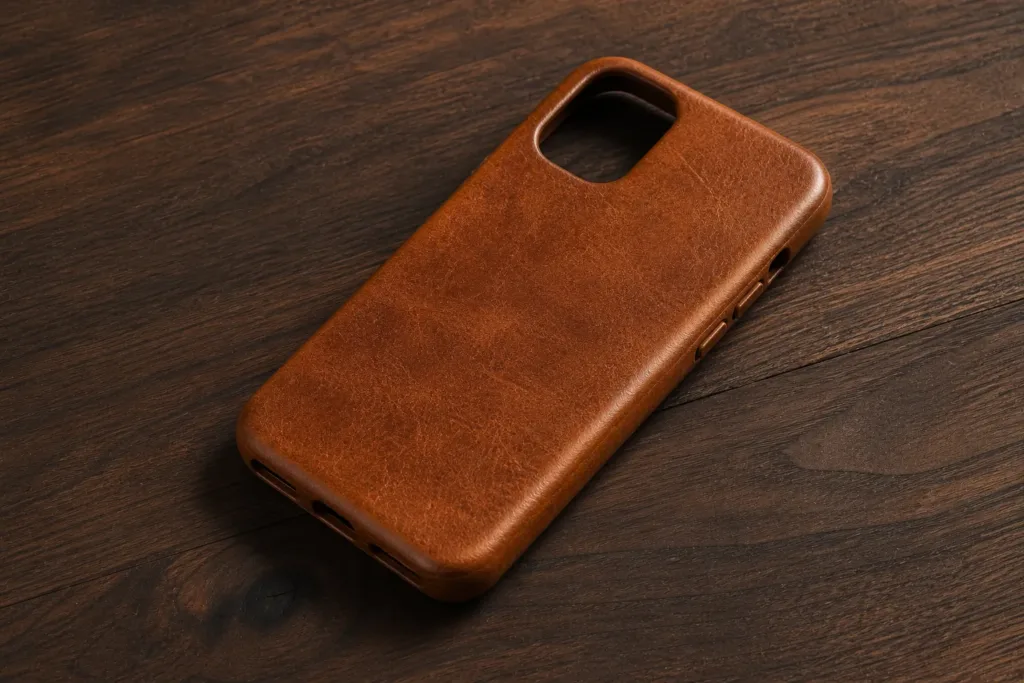
Genuine leather covers occupy a different space entirely. They are not primarily about protection — they are about feel, appearance, and the experience of using an expensive phone in a way that matches its price. A well-made leather cover develops character over time, with a patina that reflects how and where you use your phone.
From a functional standpoint, leather offers decent scratch protection and a warm, non-slip grip that is hard to match with synthetic materials. It also does not squeak on desk surfaces the way TPU sometimes does. Genuine leather covers on the Indian market start around ₹800 for decent quality. PU leather options cost less but degrade faster — the surface typically starts peeling within 12 to 18 months.
Clear Transparent Back Covers
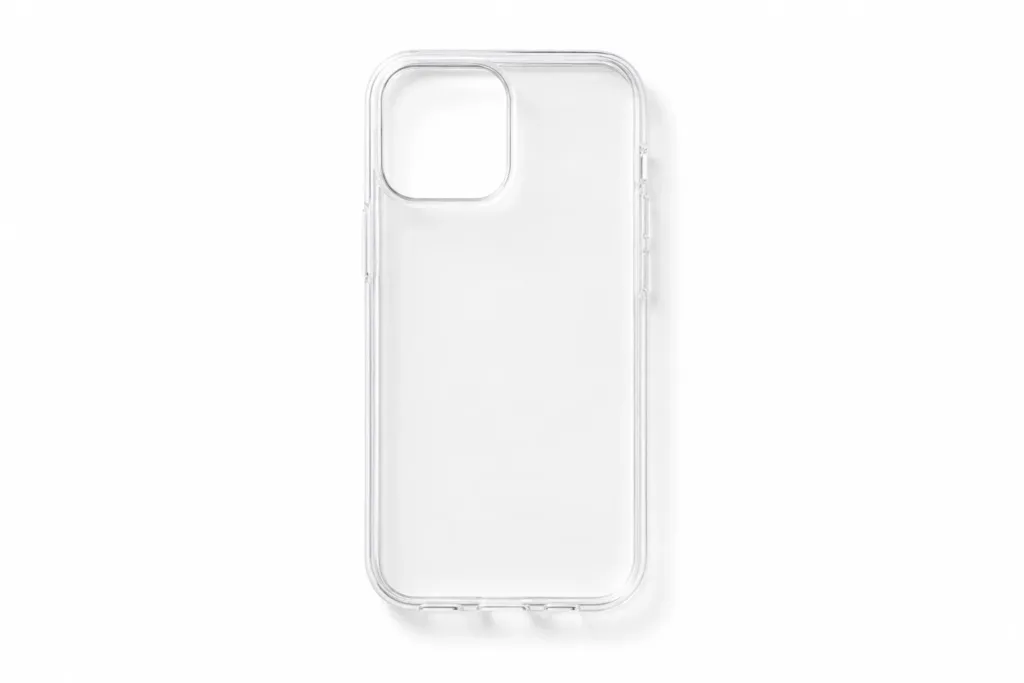
The appeal of transparent covers is straightforward: you spent serious money on a phone with a beautiful back design, and you want to see it. Clear covers are almost always made from TPU, polycarbonate, or a combination of both, so their protection characteristics follow those materials exactly.
The challenge is yellowing. Most affordable transparent covers turn a noticeable yellow within three to six months because the polymer reacts to UV light and body oils over time. Covers specifically marketed as anti-yellow use chemical stabilisers or optical-grade polycarbonate to resist this, and they are worth the slightly higher price if clarity matters to you. Otherwise, expect to replace a clear case every few months.
Wallet and Flip Covers
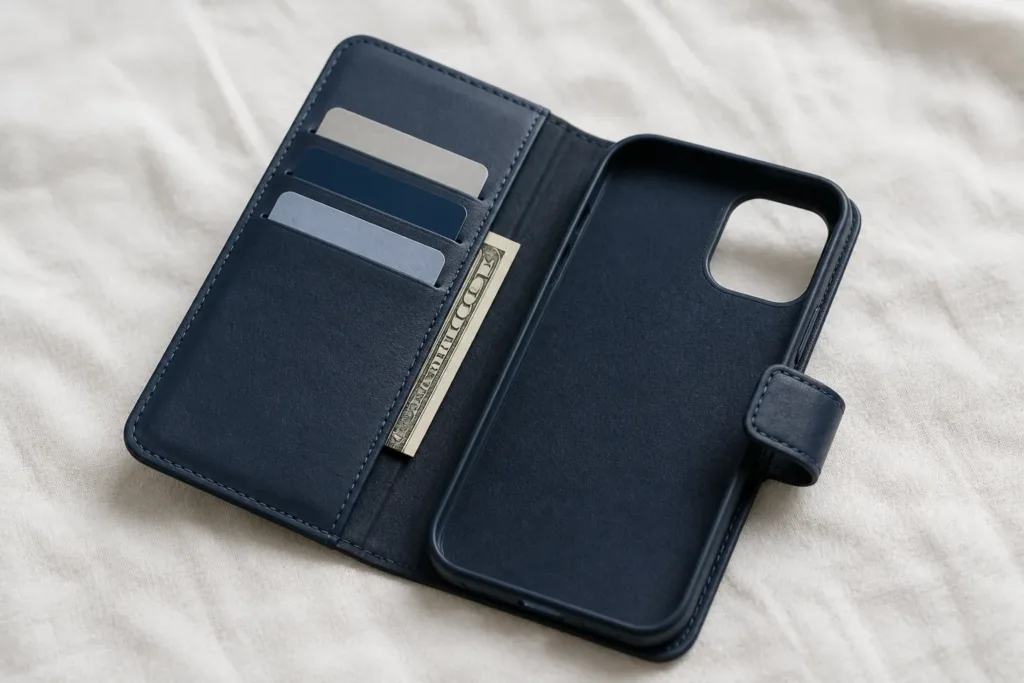
Wallet covers fold over the screen and typically include slots for two to three cards. They are the only type of mobile back cover that protects both the screen and the rear panel simultaneously, which is a meaningful advantage for people who have cracked screens on face-down drops before.
The practical downsides are worth knowing. Flip covers add significant bulk, make one-handed use more awkward, and slow down camera access. Most also interfere with wireless charging unless they include a magnetically detachable flap. For someone who uses their phone primarily for calls, messages, and navigation rather than photography, a flip cover is genuinely practical and arguably the most complete protection option.
Custom Printed Back Covers
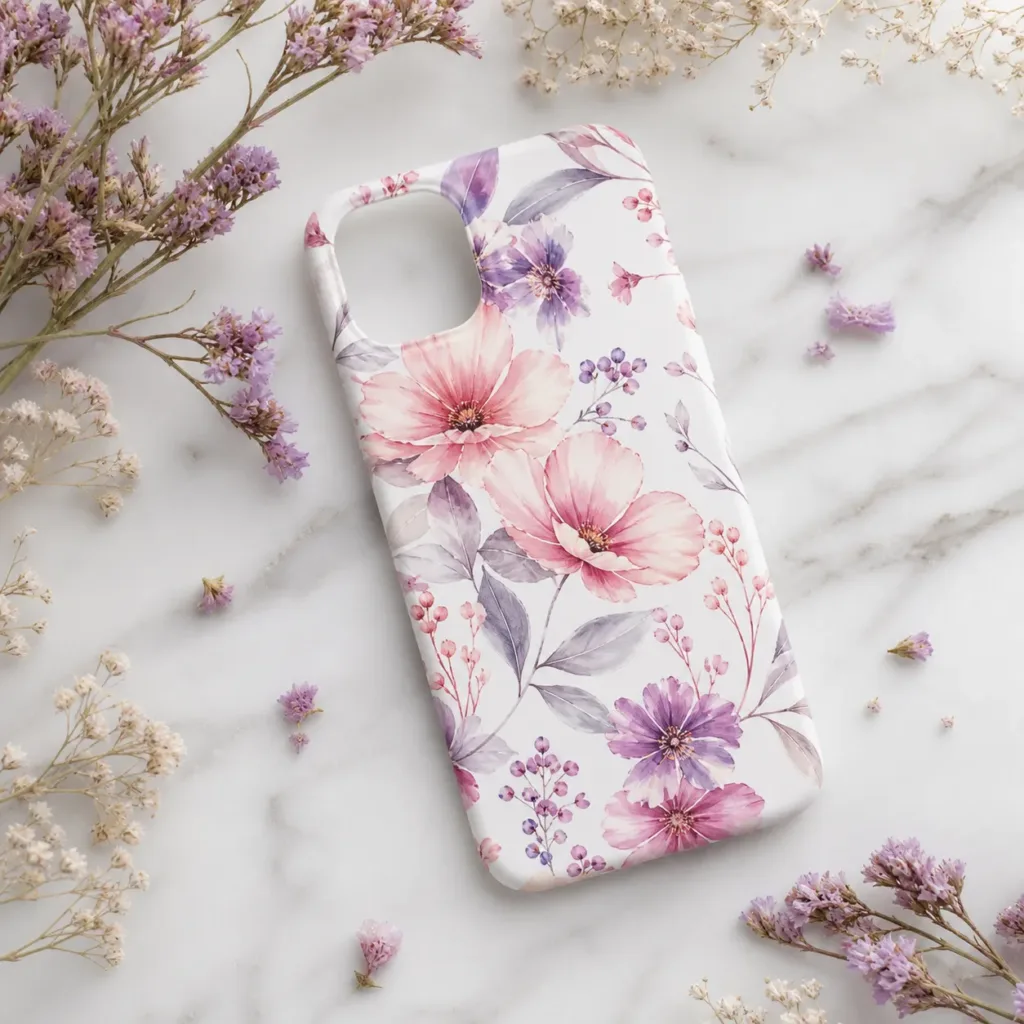
Custom and printed back covers have grown steadily in India over the last few years, driven by gifting culture and the demand for personalisation. These covers use a polycarbonate or TPU base with a design applied through UV printing, sublimation, or surface transfer methods.
The longevity of a custom cover depends almost entirely on the printing method and the base material quality. UV-printed designs on a hard polycarbonate shell hold up significantly better than sticker-based or heat-transfer printing, which can peel or fade within months. If you are ordering a custom cover, always ask about the printing method before you commit.
Quick Comparison — All Types of Mobile Back Covers at a Glance
| Cover Type | Material | Drop Protection | Scratch Resistance | Grip | Price Range (India) |
|---|---|---|---|---|---|
| Silicone / TPU | Flexible polymer | Good | Moderate | Excellent | ₹99 – ₹499 |
| Hard Polycarbonate | Rigid plastic | Moderate | Excellent | Low | ₹149 – ₹699 |
| Hybrid Dual-Layer | TPU + PC | Excellent | Good | Good | ₹499 – ₹1,999 |
| Genuine Leather | Leather + PC frame | Moderate | Good | Excellent | ₹799 – ₹2,999 |
| Clear Transparent | TPU or PC | Good / Moderate | Moderate | Moderate | ₹99 – ₹599 |
| Wallet / Flip | Leather / PU + PC | Screen + Back | Good | Good | ₹299 – ₹1,499 |
| Custom Printed | PC or TPU base | Moderate – Good | Moderate | Moderate | ₹349 – ₹999 |
Which Type of Mobile Back Cover Is Right for You?
| Your Situation | Best Cover Type |
|---|---|
| Drop things often, active lifestyle | Hybrid Dual-Layer |
| Want to show off phone’s back design | Clear Transparent (anti-yellow) |
| Professional use, lots of calls | Genuine Leather |
| Budget-friendly everyday protection | Silicone / TPU |
| Want screen + back protection both | Wallet / Flip Cover |
| Gift for someone or personalised look | Custom Printed |
| Scratch protection, careful user | Hard Polycarbonate |
How Long Should You Keep a Mobile Back Cover?
Most people keep the same phone case until it physically falls apart, which is the wrong approach. Cover materials degrade in ways that are not always visible. TPU becomes more brittle with extended UV exposure. Leather dries out and loses grip. Polycarbonate can develop hairline cracks around the button cutouts that compromise its structural integrity without being obvious to the eye.
As a general rule, replace a TPU or silicone cover every eight to twelve months, particularly if the phone has been dropped multiple times. A hybrid case that has taken a serious fall — one where you heard the case crack or saw it flex significantly — should be replaced immediately, because the structural layers that absorbed that first drop cannot guarantee the same performance on the second one.
Frequently Asked Questions
Hybrid dual-layer covers consistently offer the best drop protection among everyday case types. The combination of a soft inner TPU layer and a rigid outer polycarbonate shell handles impact energy better than any single-material design. Brands like Spigen, Ringke, and Caseology build specifically around this dual-layer principle.
For most people in India — commuting, carrying phones in bags and pockets, occasional drops — silicone or TPU covers strike the better balance between protection and grip. Hard polycarbonate covers are better if scratch resistance is your primary concern and you rarely drop your phone.
Yellowing happens because the UV light in sunlight, combined with contact with skin oils and sweat, causes a chemical reaction in the polymer that changes its optical properties over time. This is a material characteristic, not a quality defect. Anti-yellowing covers use chemical UV stabilisers to slow this process significantly.
A leather cover adds value through feel and appearance rather than protection. On a mid-range phone where the back panel itself is plastic rather than glass, the case-to-phone quality ratio can feel unbalanced. Leather covers make more sense on premium glass-back phones where the tactile upgrade is proportionate to the phone’s overall build quality.
At Vougex, we stock all the major types of mobile back covers for iPhone, Samsung, OnePlus, Nothing, and more — from slim TPU everyday covers to custom photo cases starting at ₹349. Browse the full collection to find the right cover for your phone.
Add comment